Understanding Sleep Disturbances in Children & Nocturnal Epilepsy
Recognizing the signs of Sleep-Related Hypermotor Epilepsy (SHE) (also referred to as ADSHE and Autosomal Dominant Frontal Lobe Epilepsy (ADNFLE)), early on can make a significant difference in your child’s quality of life.
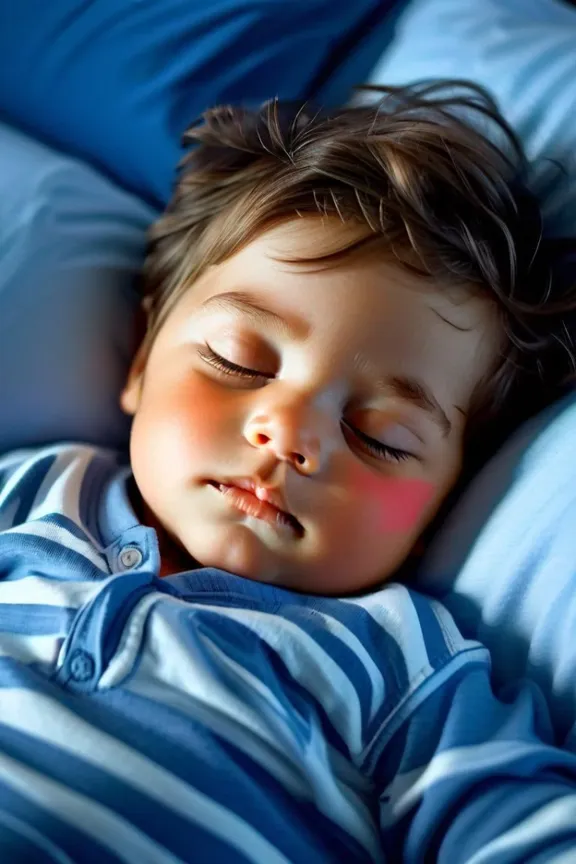
Understanding Sleep disturbances, Night Terrors and Nightmares in Children and Adolescents
Could it be Sleep-related Hypermotor Epilepsy (SHE)?
Welcome to our resource for parents concerned about their child’s night terrors and nightmares. If your child experiences distressing sleep disturbances, coupled with learning difficulties, this could be a sign of a deeper issue. Our goal is to guide you through understanding these conditions, the importance of medical evaluations like night-time EEGs, and the potential role of genetic factors like KCNT1 or other gene variants.
Night terrors and nightmares are common in children, but understanding the differences between them is crucial for proper management and support. Night terrors are intense episodes that cause children to wake up terrified, often without any memory of the experience. In contrast, nightmares are vividly unpleasant dreams that children can often remember upon waking.
Importance of Medical Evaluation
Given the potential impact on your child’s well-being, it’s important to seek a comprehensive medical evaluation if you suspect your child may be experiencing more than just typical night terrors or nightmares. A nighttime EEG can help identify abnormal brain activity during sleep, providing critical insights into whether your child’s symptoms might be related to ADSHE/ADNFLE, or other sleep-related epilepsy syndromes.
Recognizing the signs of Sleep-Related Hypermotor Epilepsy early on can make a significant difference in your child’s quality of life. If your child is experiencing severe sleep disturbances along with behavioral or cognitive challenges, consider seeking a thorough medical evaluation. Understanding the underlying causes is the first step in finding the right support and treatment for your child.
Diagnosing Sleep-Related Hypermotor Epilepsy and Frontal Lobe Epilepsy

The KCNT1 Gene Connection
Certain gene variants, like KCNT1, are strongly associated with sleep-related hypermotor epilepsy (SHE). Genetic testing can help confirm the underlying cause of the child’s sleep disturbances and seizures.
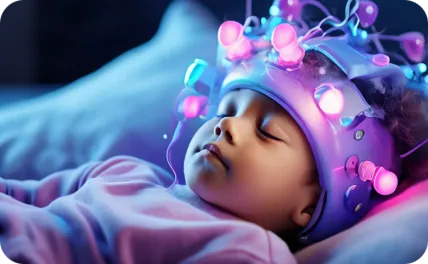
Video EEG Monitoring
Overnight video EEG monitoring is a crucial diagnostic tool for SHE. It allows clinicians to capture the physical manifestations of the child’s seizures, such as sudden arousal, kicking, and flailing, along with the corresponding brain activity during sleep.
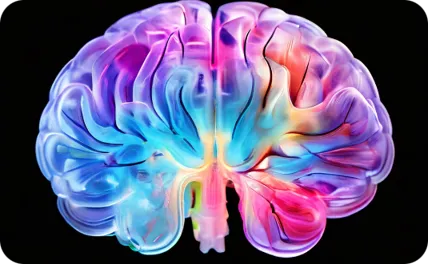
Neuroimaging
MRI scans of the brain can help identify structural changes or abnormalities in the frontal lobe, which can be associated with SHE. This information, combined with the EEG findings, helps clinicians rule out other potential causes of the child’s sleep disturbances and seizures.
Understanding Sleep-Related Hypermotor Epilepsy (SHE) in Children
Understanding SHE Frontal Lobe Epilepsy
Sleep-related Hypermotor Epilepsy (SHE), formerly known as Nocturnal Frontal Lobe Epilepsy, is a type of epilepsy that involves seizures originating in the frontal lobe of the brain. These seizures can lead to complex motor behaviors and unusual movements during sleep, disrupting the child’s rest and causing significant distress for the family.

Symptoms of SHE
The most notable symptoms of SHE include sudden, vigorous movements during sleep, such as thrashing, facial grimacing, vocalizations, rocking on hands and knees, and abrupt awakenings. Parents also report symptoms including tonic stiffening, choking, vomiting, lip smacking/chewing, picking, tonic–clonic seizures. These episodes can be very unsettling for the child and their caregivers, as the movements can appear violent and uncontrolled.
Monitoring and Safety
Symptoms like gagging, choking, and apnea episodes require close monitoring and immediate medical attention, as they can be life-threatening. Proper care and treatment is essential for children with SHE to ensure their safety and well-being during these episodes. Regular monitoring, with tools like overnight EEGs, can help identify the root cause and guide appropriate treatment options.
The Importance of a Nighttime EEG
1
Identifying Nocturnal Seizures
An Electroencephalogram (EEG) during sleep can help identify if what appears as night terrors could be nocturnal seizures, which is crucial for diagnosis and treatment.
2
Tracking Brain Activity
The EEG tracks and records brain wave patterns, providing valuable information about the child’s neurological activity during sleep.
3
Preventing Harm
Uncontrolled seizures can be harmful to the brain, so it is important to identify them early to consider appropriate treatment options.
Being able to see how many seizures the child may be having that are not seen by the caregiver helps to understand how to better treat and manage the condition.
Understanding KCNT1 Variants and Seizures
Genetic Link
The KCNT1 gene is a potassium channel gene that plays a critical role in regulating neuronal excitability in the brain. Variants in the KCNT1 gene have been strongly associated with certain forms of epilepsy, such as Sleep Hypermotor Epilepsy (SHE)/Autosomal Dominant Nocturnal Frontal Lobe Epilepsy (ADNFLE). These genetic changes can lead to abnormal neuronal firing patterns that manifest as sleep disturbances and vigorous movements during sleep in affected children.
Genetic Testing
Identifying the underlying genetic cause of a child’s sleep disturbances and seizures is vital for accurate diagnosis and treatment. Genetic testing, such as panel sequencing or whole exome sequencing, can confirm the presence of KCNT1 variants or rule out other genetic factors. This information helps clinicians differentiate between sleep disorders, parasomnias, and epilepsy syndromes, guiding them towards the most appropriate management plan for the child.
Tailored Treatment
Knowing the specific genetic etiology of a child’s sleep-related seizures can significantly impact treatment decisions. Certain anti-seizure medications may be more or less effective depending on the genetic variant involved. For example, there is some ongoing research on potassium channel modulators and different KCNT1 variants. This highlights the importance of genetic testing to enable personalized, targeted therapy for children with ADSHE or related epilepsy syndromes.
Diagnosis of Sleep-related Hypermotor Epilepsy / Nocturnal Frontal Lobe Epilepsy (SHE)
Accurately diagnosing SHE, a rare form of sleep-related epilepsy, requires a thorough evaluation process. Understanding the child’s comprehensive medical history, including detailed sleep patterns, behaviors, and any family history of neurological disorders, is a crucial first step in the diagnostic process.
The gold standard for diagnosing SHE is video electroencephalogram (EEG) monitoring during sleep. This specialized test captures the physical manifestations of the seizures, such as vigorous movements and behaviors, alongside the corresponding electrical activity in the brain. By analyzing this data, neurologists can identify the characteristic frontal lobe abnormalities that can be observed in some cases of SHE.
Is One EEG Test Enough?
Seizures originating deep within the brain can sometimes be missed on standard EEGs. This is due to the rapid spread of electrical discharges and the often subtle or complex semiology of these seizures, making them challenging to detect with surface EEG.
Frontal lobe seizures are known for their diverse and complex manifestations, which can include hyperkinetic movements and asymmetric tonic postures, particularly during sleep. Overnight video EEG can sometimes capture seizures, but because many seizures begin deep in the brain, scalp EEG may look normal or inconclusive. This does not mean seizures aren’t happening. These features often require advanced diagnostic tools like video-EEG monitoring or even intracranial EEG (stereo-EEG) for accurate localization and characterization. Surface EEG might not always capture the electrical activity from deep-seated epileptogenic zones within the frontal lobe due to the skull and scalp’s insulating properties (BioMed Central) (Oxford Academic) . Therefore, for patients with suspected frontal lobe epilepsy or SHE, particularly when initial surface EEGs are inconclusive, further investigation with advanced neuroimaging and intracranial EEG might be necessary for accurate diagnosis and effective management.
In addition to the video EEG, neuroimaging techniques such as magnetic resonance imaging (MRI) may be utilized. MRI scans can help rule out other potential causes of the seizures and sleep disturbances, as well as identify any specific structural changes or abnormalities in the frontal lobe region of the brain. Most KCNT1-related SHE cases do not show changes on MRI, even though seizures are very real.
Combining the patient’s medical history, video EEG findings, and neuroimaging results allows clinicians to make an accurate diagnosis of SHE. This comprehensive approach is essential for guiding appropriate treatment and management strategies for affected children and their families.
Management and Treatment of SHE
The primary approach to managing ADSHE involves the use of antiseizure medications (ASMs) to control the characteristic seizures associated with this condition. The specific ASM chosen will depend on the individual patient’s response and the characteristics of their seizures, as some medications may be more effective in targeting the abnormal frontal lobe activity seen in SHE.
Lifestyle Adjustments
In addition to pharmacological intervention, lifestyle adjustments can also play a crucial role in managing ADSHE. Ensuring good sleep hygiene, such as maintaining a consistent sleep schedule and creating a restful sleep environment, can help reduce the frequency and intensity of seizures. Managing stress levels through techniques like relaxation exercises, mindfulness, or counseling can also be beneficial.
Supportive Therapies
Given the emotional and social challenges that can accompany living with a chronic condition like epilepsy, supportive therapies are also an important aspect of SHE management. Regular counseling and support for both the affected child and their family can help them navigate the impacts of the disorder and develop coping strategies. This holistic approach, combining medical treatment, lifestyle modifications, and emotional support, is essential for improving the quality of life for individuals with ADSHE/ADNFLE.
Medications Commonly Prescribed
For the management of seizures associated with Autosomal Dominant Sleep-Related Hypermotor Epilepsy (ADSHE), several medications are commonly prescribed. (Disclaimer: This is for informational purposes only and should not be taken as medical advice and should be discussed with your doctor.) The medications may include:
- Carbamazepine: Often considered the first-line treatment for hypermotor seizures, particularly in SHE, due to its effectiveness in reducing seizure frequency and severity (BioMed Central) (Oxford Academic).
- Oxcarbazepine: Similar to carbamazepine, oxcarbazepine is also used for its efficacy and better side effect profile (BioMed Central).
- Valproate: This medication can be effective, especially in patients who do not respond well to carbamazepine or oxcarbazepine (BioMed Central).
- Lamotrigine: Another alternative, particularly useful for patients who have adverse reactions to other medications or require additional seizure control (BioMed Central).
- Topiramate: Sometimes used as an adjunct therapy in patients with refractory seizures (BioMed Central).
- Levetiracetam: This drug is also considered for its broad-spectrum efficacy and relatively favorable side effect profile (BioMed Central).
- Epidiolex: A cannabidiol (CBD) oral solution that has been approved by the FDA for the treatment of seizures associated with several epilepsy syndromes, including those with genetic mutations such as KCNT1 (FDA).
In some cases, especially those involving genetic variants such as in KCNT1, targeted therapies or precision medicine approaches may be considered. These therapies aim to address the specific genetic abnormalities underlying the condition. Check back often to our website for updates on clinical trials under Participate in Research.
It is important to note that medication effectiveness can vary among individuals, and treatment should be tailored to the patient’s specific needs and medical history, often requiring adjustments and close monitoring by a healthcare professional. Some doctors may order an additional genetic test called pharmacogenomic testing, or PGx. This may provide insight into what medications may work better for you, based on your body’s unique ability to metabolize or process medications. Learn more.
Living with Sleep-related Hypermotor Epilepsy
It’s important for parents to know that with proper management, children with SHE can lead a fulfilling life. Regular follow-ups with healthcare providers, adherence to treatment plans, and a supportive home environment are key factors in managing this condition.
Nighttime Monitoring and Safety Measures for Children with SHE
- Creating a Safe Sleep Environment
- Implementing a Nighttime Camera System
- Educating and Training Family Members
Understanding Sleep-Related Hypermotor Epilepsy (SHE) and Its Impact
Sleep-Related Hypermotor Epilepsy (SHE) is a complex condition that significantly affects the lives of those who experience it. The disorder is characterized by frequent nocturnal seizures that disrupt restful sleep, leading to a range of behavioral, psychological, and cognitive challenges. Understanding the factors that contribute to these issues is crucial for managing the condition effectively, especially for parents trying to discern between behaviors related to the brain’s neurological differences and those that may appear as intentional defiance.
Impact of Sleep Disruption
The nocturnal seizures associated with SHE often result in fragmented sleep, which can have a profound impact on daily functioning. The disruption of sleep can lead to excessive daytime sleepiness, impaired cognitive function, and mood disturbances. Individuals may experience irritability, difficulty concentrating, and memory problems, all of which can further complicate their day-to-day lives.
Key Behavioral Signs:
- Irritability and Mood Swings: Due to poor sleep quality, children may seem unusually irritable or prone to mood swings. This is typically not intentional but a direct consequence of their disrupted sleep cycles.
- Attention and Focus Issues: Difficulty concentrating or staying on task, which may be mistakenly interpreted as oppositional behavior, is often due to the fatigue and cognitive effects of sleep disruption.
Brain Differences
The neurological basis of SHE contributes to various cognitive and behavioral issues. The condition often involves abnormalities in brain regions responsible for controlling movement and regulating sleep, leading to hypermotor behaviors during sleep. These brain differences can also affect executive function, attention, and other cognitive processes, making it challenging for individuals with SHE to perform certain tasks or maintain focus.
- Executive Function Deficits: Children with SHE might struggle with planning, organizing, or completing tasks. This can manifest as forgetfulness, difficulty following instructions, or seemingly ignoring rules, which is often not deliberate but related to how their brain processes information.
- Hyperactivity and Impulsivity: The brain regions affected by SHE might cause children to exhibit hyperactive or impulsive behaviors. These actions might seem defiant but are often beyond the child’s control due to neurological factors.
- Autism-Like Features: Some children may display repetitive behaviors, social challenges, or sensitivity to sensory inputs. These may be related to neurological differences or medications rather than intentional behavior.
Medication Side Effects
While anti-seizure medications are essential for controlling the seizures associated with SHE, they can also have side effects that impact mental health. Common side effects include mood swings, depression, anxiety, and in some cases, suicidal thoughts. Additionally, some individuals with SHE might exhibit behaviors or traits similar to those seen in autism spectrum disorders, which could be exacerbated by medication.
Key Behavioral Signs:
- Mood Changes, Anxiety and Irritability: Medications can sometimes lead to increased anxiety or depression, making children more reactive or withdrawn. These mood changes can be mistaken for oppositional defiance.
Supporting Parents in Distinguishing Behaviors
It’s crucial for parents to recognize that while some behaviors may be influenced by SHE and its treatments, this doesn’t entirely rule out intentional actions. Developing an understanding of the potential causes behind certain behaviors—whether they’re related to sleep issues, neurological differences, or medication—can help in providing appropriate support and interventions.
Educating parents, teachers, and caregivers about the distinctions between brain-related behaviors and intentional defiance is vital. This understanding can lead to more compassionate and effective strategies for managing the child’s condition. Developing a comprehensive support plan, including behavioral interventions, cognitive therapies, and medication management, is key to helping children with SHE thrive.
References:
- Neuropsychological and Behavioral Profile in Sleep-Related Hypermotor Epilepsy (SHE) and Disorders of Arousal (DOA): A Multimodal Analysis: https://www.mdpi.com/2077-0383/12/1/374
- Sleep and Epilepsy: A Focused Review of Pathophysiology, Clinical Syndromes, Co-morbidities, and Therapy: https://doi.org/10.1093/sleep/32.12.1637

The Importance of Genetic Testing

Accurate Diagnosis
Genetic testing can confirm or rule out the presence of specific variants known to be associated with SHE and other epilepsy syndromes. This syndrome has been associated with genetic mutations in various genes such as KCNT1, which further complicates diagnosis and treatment (BioMed Central) .

Tailored Treatment
Understanding the genetic basis of SHE can influence treatment decisions, as certain medications may be more effective for epilepsy of a specific genetic origin.

Family Planning and Counseling
If a genetic mutation is identified, it provides valuable information for family planning and the assessment of risk for other family members.

Contact us: Support@kcnt1epilepys.org
Legal Disclaimer
Please note that the content on this website is for informational purposes only and should not replace professional medical advice.
Scientific Articles and References
For those who seek more in-depth knowledge, we provide a curated list of scientific articles. Each article comes with a brief summary, making it easier for you to find relevant information:
- Bisulli F., Licchetta L. & Tinuper P. Sleep related hyper motor epilepsy (SHE): a unique syndrome with heterogeneous genetic etiologies. Sleep Science Practice 3, 3 (2019). https://doi.org/10.1186/s41606-019-0035-5
- Derry C.P. et al. NREM Arousal Parasomnias and Their Distinction from Nocturnal Frontal Lobe Epilepsy: A Video EEG Analysis. SLEEP, Vol. 32, No. 12, 2009 DOI: 10.1093/sleep/32.12.1637
- Bonini F., McGonigal A. et al. Frontal lobe seizures: From clinical semiology to localization. Epilepsia, 55(2):264–277, 2014 doi: 10.1111/epi.12490
- Licchetta L. et al. Sleep-related hypermotor epilepsy: Long-term outcome in a large cohort. Neurology, 2017 Jan 3;88(1):70-77. doi: 10.1212/WNL.0000000000003459
- Menghi V. et al. Sleep-related hypermotor epilepsy: prevalence, impact and management strategies. Nat Sci Sleep. 2018 Oct 10;10:317–326. doi: 10.2147/NSS.S152624
- Licchetta L. et al. Profile of neuropsychological impairment in Sleep-related Hypermotor Epilepsy. Sleep Med. 2018 Aug:48:8-15. doi: 10.1016/j.sleep.2018.03.027
- Moore J.L. et al. Sleep and Epilepsy: a Focused Review of Pathophysiology, Clinical Syndromes, Co-morbidities, and Therapy. Neurotherapeutics (2021) 18:170–180 https://doi.org/10.1007/s13311-021-01021-w