
Recently Diagnosed?
What to Look For and What to Do Next
If your child is having seizures, developmental delays, or unusual sleep-related systems, you may feel overwhelmed and uncertain about what’s next. Whether you’ve just started searching for answers—or already received a KCNT1 gene result—this page is here to help. We’ll walk you through how KCNT1-related epilepsy is diagnosed, what to expect, and what your child’s results might mean for your family.

Where to Begin
We’re here to answer your questions and give you the resources you need to confidently navigate this diagnosis so you can have hope for a brighter future. Connect with us!
1. There is hope for the future.
A KCNT1 diagnosis can feel overwhelming, but you are not without hope. Research and understanding of KCNT1-related epilepsy are growing every day. We are committed to making your journey easier by connecting you to information, resources, and a supportive community.
2. Take the next step.
A diagnosis brings answers but also new questions. KCNT1-related epilepsy exists on a broad spectrum. Every child is different, and every journey is unique. We’ll be here for you at every step, helping you access resources, guidance, and support when you need it most. Connect with us.
3. Know you’re not alone.
KCNT1-related epilepsy affects every child differently, but no family should face this journey in isolation. Join our Family Network to connect with other KCNT1 families, share stories and resources, and build relationships with those who truly understand. Join a community that understands exactly what you’re going through. Together, we can navigate challenges and create a brighter future for our children and families. Sign up for our family contact list.
“Every child is unique, but none of us are alone in this journey.”
What is KCNT1?
Gene Function
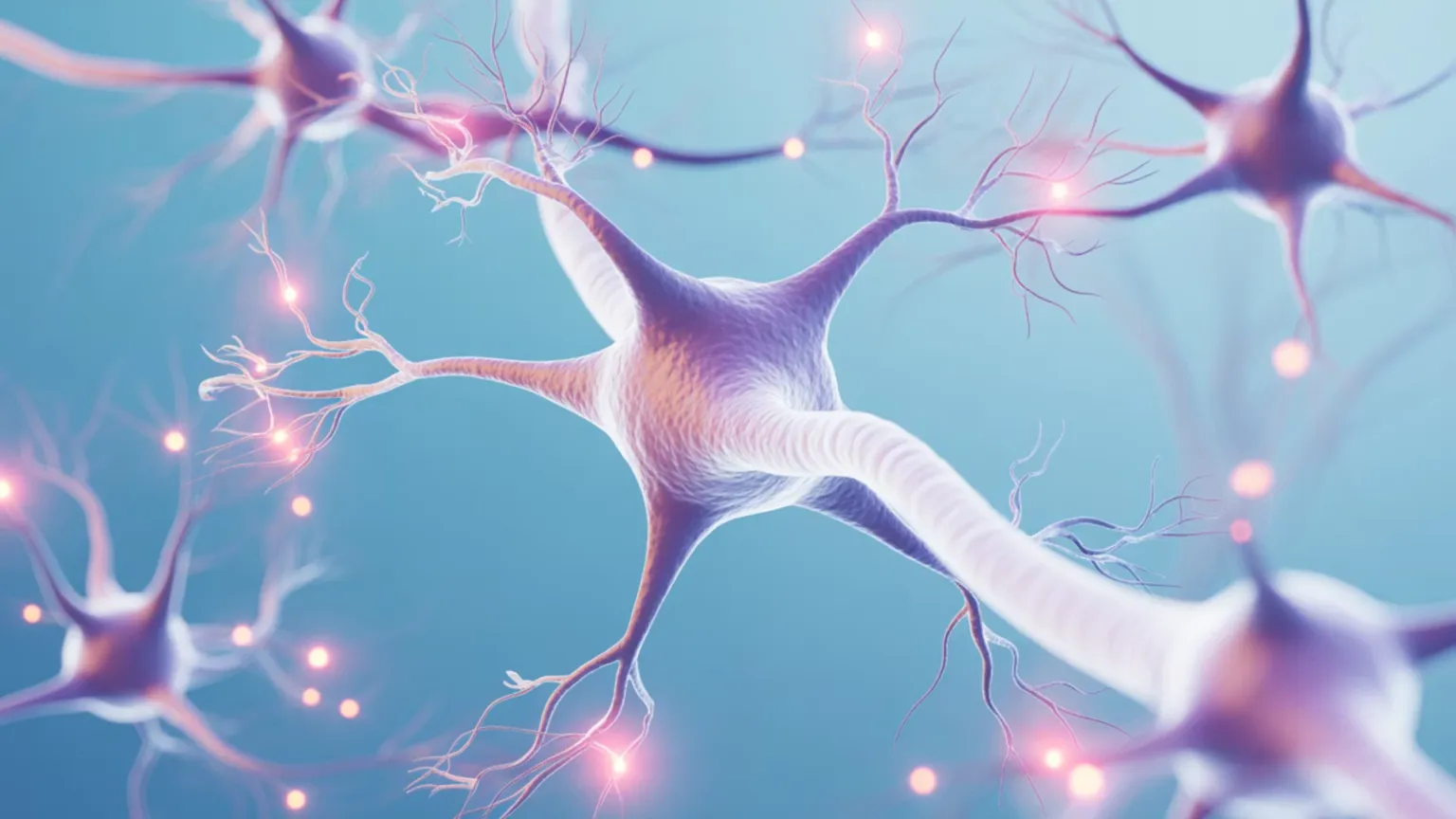
KCNT1 is a gene that regulates the electrical signals in the brain. A mutation can cause excessive electrical activity, resulting in seizures.
Common Presentations
Children with KCNT1 mutations may present with various types of epilepsy, most commonly:
- EIMFS (Epilepsy of Infancy with Migrating Focal Seizures)
- Early-Onset Epileptic Encephalopathy (EOEE)
- Infantile Spasms
- ADSHE/SHE (Sleep-Related Hypermotor Epilepsy)
- Other less common or atypical patterns
Individual Variations
Each presentation varies in seizure type, onset, and impact. Understanding the subtype helps tailor care and expectations.
Your First Steps

Preparing to Leave the Hospital
Download our guide to ensure your child’s transition home is safe and supported.

Build Your Care Team
- Seek a pediatric epileptologist
- Schedule genetic counseling
- Ask for a cardiac screening (EKG, echocardiogram)
- Begin seizure tracking and create a seizure action plan
- Understand available rescue medications and how to use them

Consider Dietary Therapies
Discuss the ketogenic diet with your doctor. It may be a valuable, non-sedating option. See the EF resource.

Stay Organized
- Start a medication and symptom tracker
- Apply for Medicaid or financial aid programs
- Keep a copy of genetic reports for your records

Enroll in Our Network
- Join the KCNT1 Family Contact List
- Enroll in the KCNT1 Patient Registry (coming soon)
- Enroll in Citizen Health (U.S. patients)
- Receive invitations to support groups, family mentoring, and clinical research

Get Involved
- Join our special, private Facebook Support group exclusively for parents and caregivers to safely and openly discuss matters related to KCNT1 parenting and research.
- Start a personalized fundraising page in honor of your child and help fund the researchers who are working to find new treatments.
If You’re Still in the Hospital
Request Therapies
Request physical/occupational/vision therapy consults
Plan for Home
Learn about equipment your child may need at home. Get tips from a parent.
Prepare Questions
Create a list of your questions for your neurology team
Understanding the Spectrum
Range of Disorders
Overlapping features with unique presentations
Individual Variations
Each child presents differently
Personalized Care
Understanding guides treatment
KCNT1 epilepsy isn’t one condition—it’s a range of related disorders with overlapping features. Understanding where your child falls on this spectrum can guide care.
You Are Not Alone
Parent Groups
Join private parent groups

This can be an isolating experience—but there’s a community here for you.
Helpful Tools and Resources

Online Seizure diary and monitoring camera


Respite and caregiving notebook

Custom emergency room letter (ask your doctor)

Need Help Now?
24/7
Support Available
We’re here whenever you need us
100%
Understanding
From people who’ve been there
Email us at Support@kcnt1epilepsy.org. We’ll connect you with someone who understands what you’re going through.
Register
KCNT1 Family Contact List
Parent or Caregiver: If you are the parent or primary caregiver for a person with a KCNT1 gene variant, we encourage you to sign up for our Family Contact List. If you, yourself have a KCNT1 variant, we also invite you to fill this form out as well. This information will be used to keep you informed of research and clinical trial opportunities, to share educational resources, as well as to help families connect with each other. Your information will never be shared with third parties of any kind and will be only be used for communication purposes.
By providing a telephone number and submitting this form, you consent to receive SMS text messages from the KCNT1 Epilepsy Foundation about our services. Message frequency may vary. Message and data rates may apply. Reply STOP to opt out of further messaging and HELP for assistance or call (833)217-7728. Please see our Privacy Policy here.
Portuguese
French
German
Spanish
Other Friends and Supporters
Other community members who are interested in learning more about KCNT1 disorders, supporting our community of families, and staying up to date on events and research can sign up for this separate mailing list (click here).