Living with KCNT1:
Life Expectancy, Life Planning & Stories of Hope

Introduction
Planning for the future with KCNT1 can feel uncertain—and sometimes overwhelming. This page is here to help you think ahead at your own pace, with practical tools, honest context, and support along the way.
You don’t need to do everything at once. Take what’s helpful, and come back when you’re ready.
What We Know About Life Expectancy?
KCNT1-related disorders can look very different from one child to another. Some individuals live into adulthood, while others—especially those with early-onset and severe epilepsy—face significant health challenges. Because KCNT1 is rare, no large-scale study has yet defined lifespan. What families often share, however, is that even amid uncertainty, moments of joy, love, and resilience can still be found.
Living with KCNT1: Meet Nick
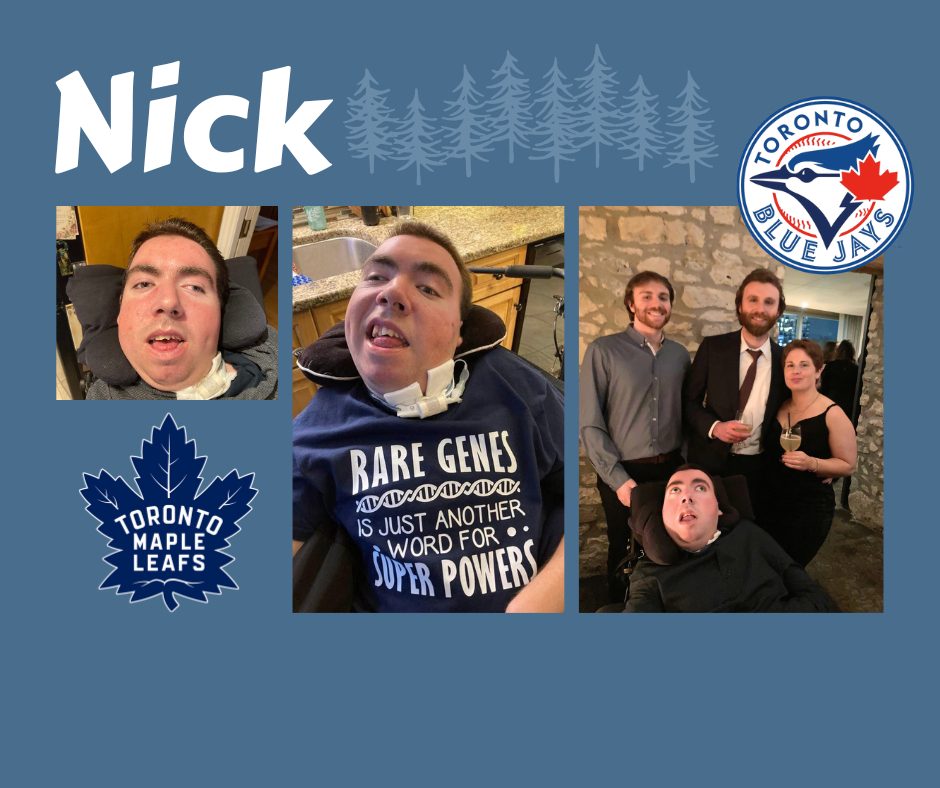
Nick has the most contagious smile that warms everyone’s heart. So lucky to spend another trip around the sun together. Love him to the moon and back
~Nick’s Mom, Angie
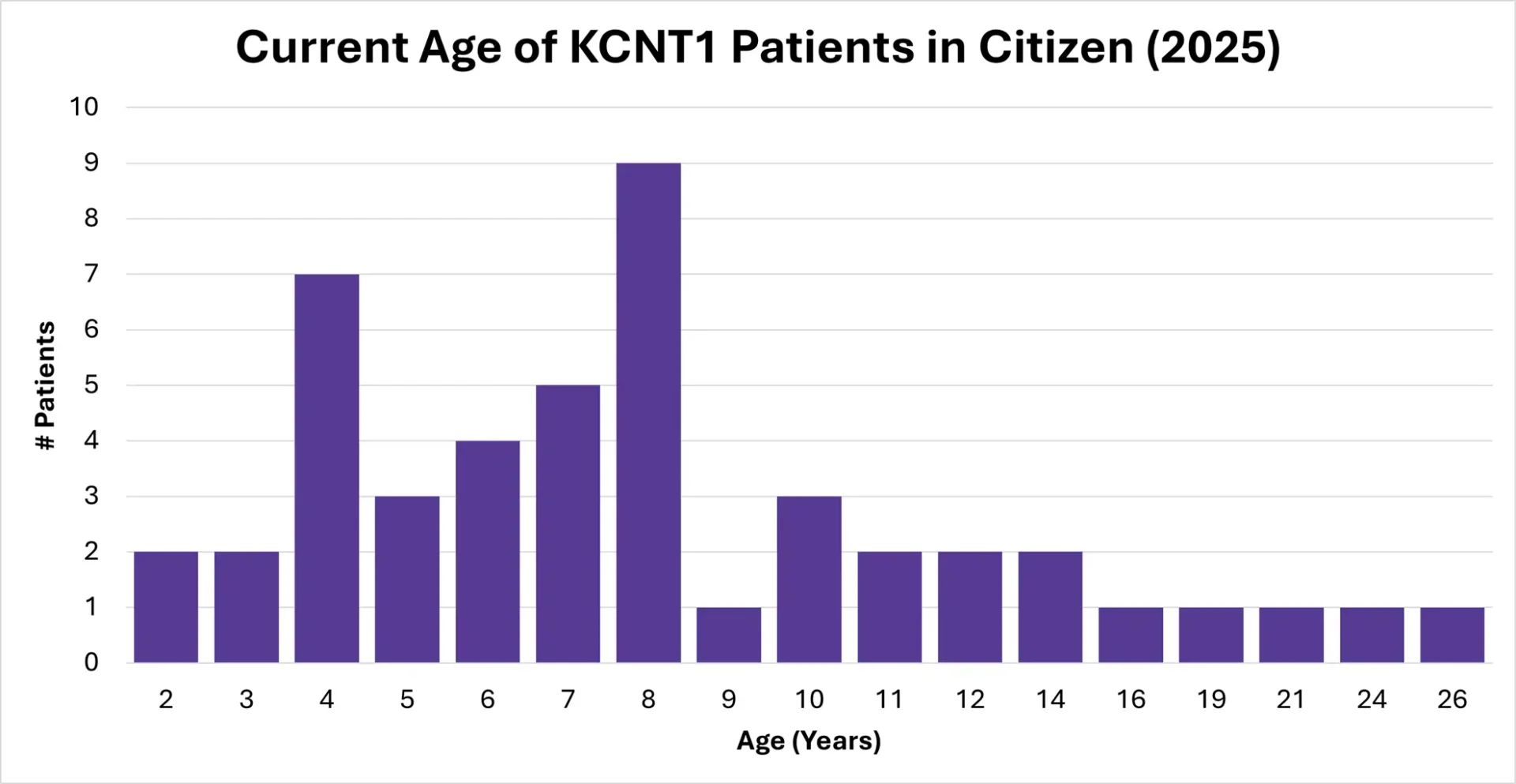
Nick is one of the oldest known individuals with KCNT1. He loves the music of Shania Twain, camping, and hockey games. His story reminds us that children with KCNT1 grow into adults, develop deep relationships, and lead meaningful lives.
When Outcomes Are Uncertain
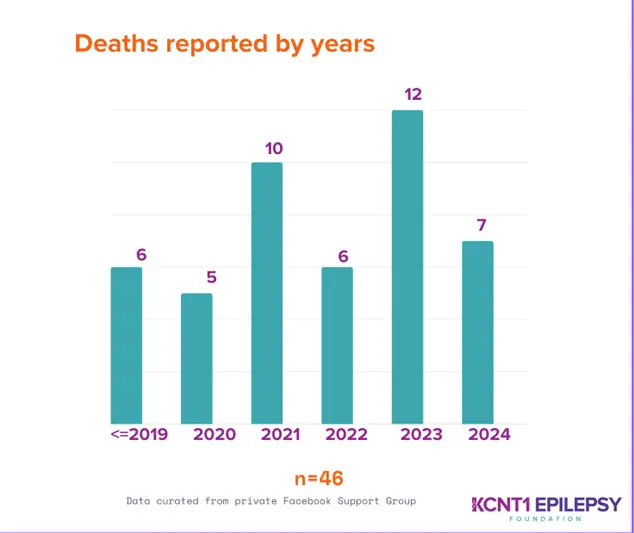
Some children, especially those with early-onset seizure types like EIMFS, are at higher risk of serious complications—such as SUDEP or respiratory challenges—that may impact lifespan. We know families in our community have experienced loss, and we honor every child who is no longer with us.
If you’re navigating end-of-life planning or living with anticipatory grief, you are not alone. We welcome bereaved families to connect, share wisdom, and support one another.
Deaths Reported by Year
Planning for the Future
It’s never too early to think ahead. Many families are now creating plans that cover adulthood, even if their children are young.
Start with the basics:
- Supplemental needs trusts
- Guardianship or supported decision-making plans
- Adult living options and care models
- Ongoing medical team coordination
- Emergency and transition planning
- Financial and insurance planning
Resources & Support
- Visit our Financial & Legal Resources page
- Download our Long-Term Planning Checklist
- Contact a parent advocate or case navigator
- Join our community support network
You’re Not Alone
This community is growing—and so is our knowledge. More data, better therapies, and broader awareness will help many families better prepare for the future. If you have an older child, teen, or adult with KCNT1, we want to hear your story. Sharing your experience helps others and strengthens our network.
| Domain | Key Actions | Who to Consult |
|---|---|---|
| Daily Care | Document routines, emergency plans | Primary caregivers, nurse |
| Medical Planning | Organize records, medication schedules | Specialists, rare disease orgs |
| Legal Planning | Draft will, guardianship, POA, trust | Disability or estate lawyer |
| Financial Planning | Budgeting, insurance, disability benefits | Financial planner, benefit agency |
| Education & Transition | Plan IEPs, transition to adult care | Educators, therapists, legal aid |
| Housing & Long-Term Care | Assess housing, include in legal docs | Social workers, housing advisors |
| Emotional & Community Support | Build network, mental health support | Support groups, counselors |
| Cross-Border Issues | Check legal/benefit validity in all countries | International lawyers, advocates |
| Tissue & Data Donation | Decide, document, and register donation | Medical team, rare disease orgs |
Long-Term Planning Checklist for Families Caring for a Dependent with a Rare Disease
This checklist is designed for parents and caregivers responsible for someone who is fully dependent due to a rare disease with an uncertain lifespan. It is structured to guide you through key care, legal, and financial planning steps, applicable internationally. Local legal and healthcare systems vary—so use this as a starting framework.
✓ = Start here. ⚠ = Consult professionals. 🗂 = Gather or create documents.
1. Immediate & Daily Care Planning
- ✓ List daily care needs and routines.
- 🗂 Maintain updated medical history and medication list.
- 🗂 Prepare an emergency care plan and post it visibly.
- ⚠ Identify and document seizure protocols, allergies, feeding support, or respiratory interventions.
2. Medical & Therapeutic Planning
- ✓ Maintain regular communication with all specialists.
- 🗂 Organize medical records and keep digital backups.
- ✓ Create a medication administration schedule.
- ⚠ Explore clinical trials or rare disease registries (if applicable).
3. Legal Planning
- ⚠ Draft a will, designating guardianship for minor or adult dependent.
- ⚠ Create a power of attorney for medical and financial matters.
- ⚠ Consider establishing a special needs trust or disability trust (varies by country).
- 🗂 Store copies of all legal documents in a known location.
4. Financial Planning
- ✓ List all current and future care-related costs (equipment, therapies, caregiving).
- ⚠ Meet with a financial planner experienced in disability care.
- ⚠ Explore life insurance options with the dependent’s future care in mind.
- ⚠ Research available government support or disability grants in your country.
5. Education & Transition to Adulthood (if applicable)
- ✓ Understand local special education rights and services.
- ⚠ Plan for vocational training, supported employment, or lifelong learning options.
- ⚠ Prepare documentation needed to establish adult legal guardianship or supported decision-making.
6. Housing & Long-Term Care Planning
- ✓ Consider long-term housing options: home modifications, group homes, assisted living.
- ⚠ Research housing benefits or subsidies for disability care in your country.
- ⚠ Document your preferences for future care and housing in your will or trust.
7. Social, Emotional & Community Support
- ✓ Build a support network (family, friends, respite care providers).
- ✓ Connect with rare disease advocacy groups or online communities.
- ✓ Seek mental health support for family caregivers.
8. Cross-Border Considerations (if relocating or citizen of multiple countries)
- ⚠ Understand residency, health coverage, and disability entitlements in each relevant country.
- ⚠ Ensure all legal documents (e.g. POA, trust, guardianship) are valid in each jurisdiction.
- ⚠ Consult international planning experts or lawyers when needed.