Hope is on the horizon
Our Mission at the KCNT1 Epilepsy Foundation
We’re here to bring together families and individuals affected by KCNT1 gene changes. Our goal is to speed up research and help find better treatments—and one day, a cure—for KCNT1-related epilepsy. We also offer support, easy-to-understand resources, and updates on the latest research to help you stay informed.
What is kcnt1 epilepsy?
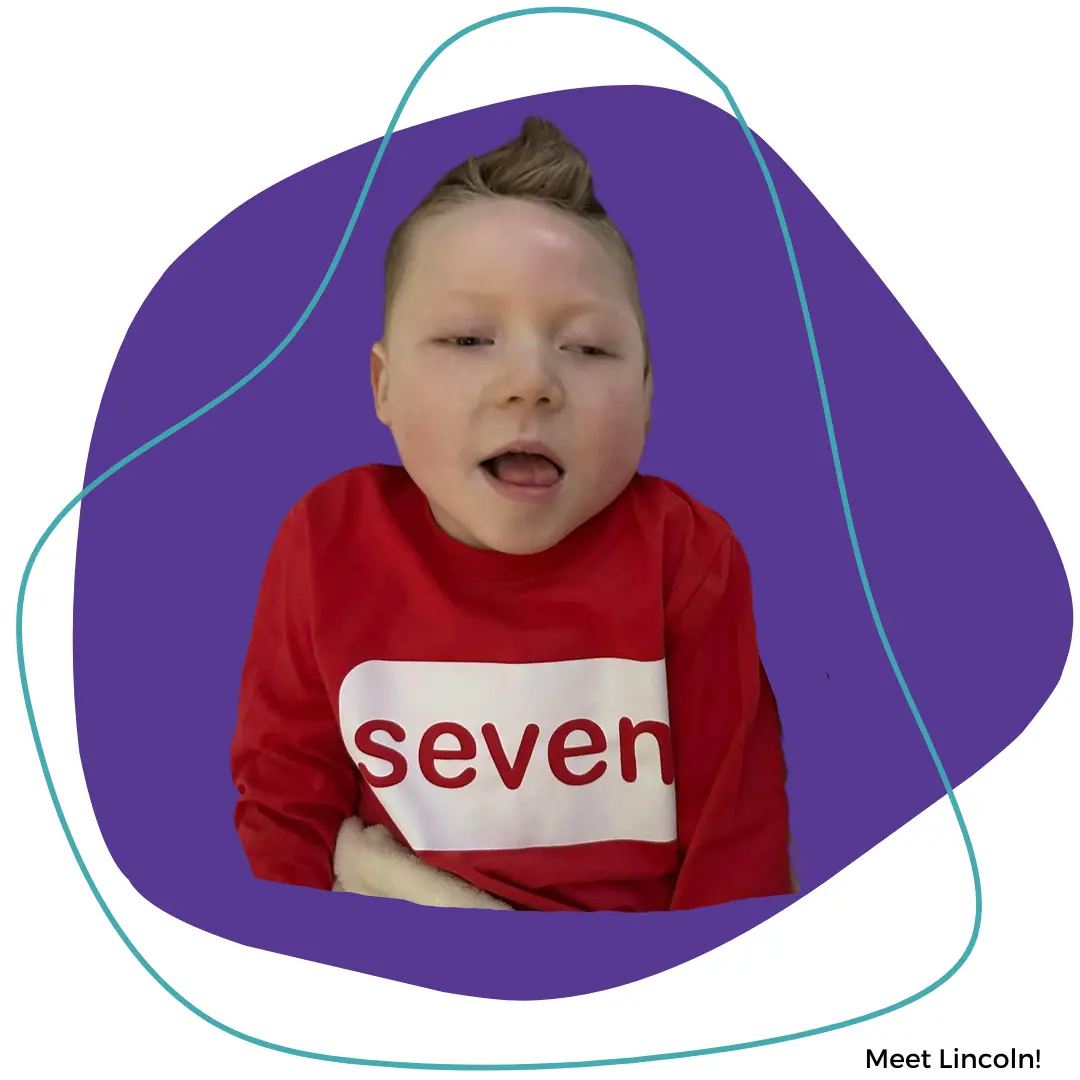
In some people, KCNT1 gene variants can lead to KCNT1-related epilepsy. Some people experience mild impairments, while others lead to severe, early-onset, seizures that don’t respond well to medication that are available today.
We are working with families, clinicians, researchers and drug developers to understand this disease and find new treatments for KCNT1-related epilepsy.
For more information see our section, About KCNT1
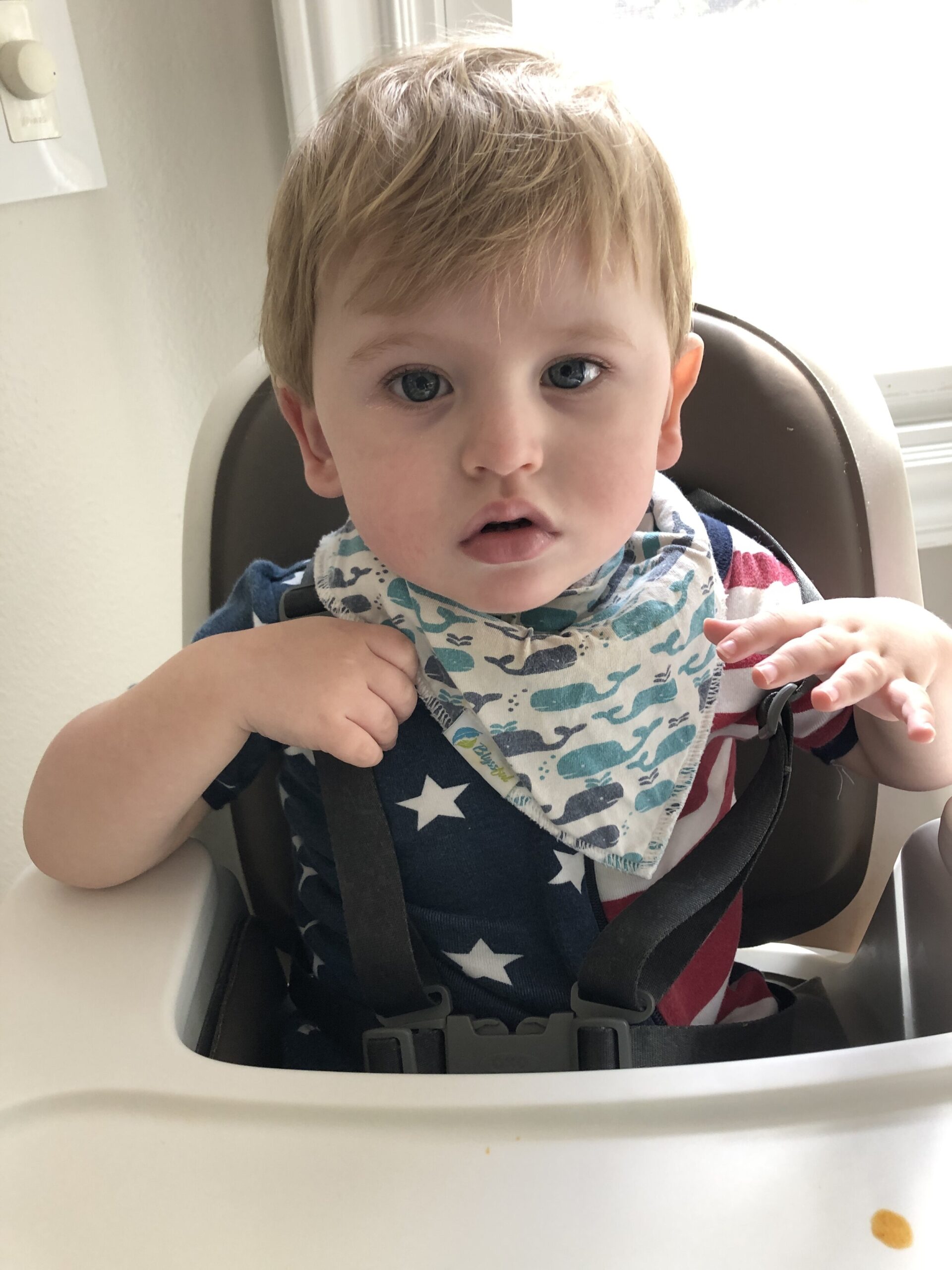
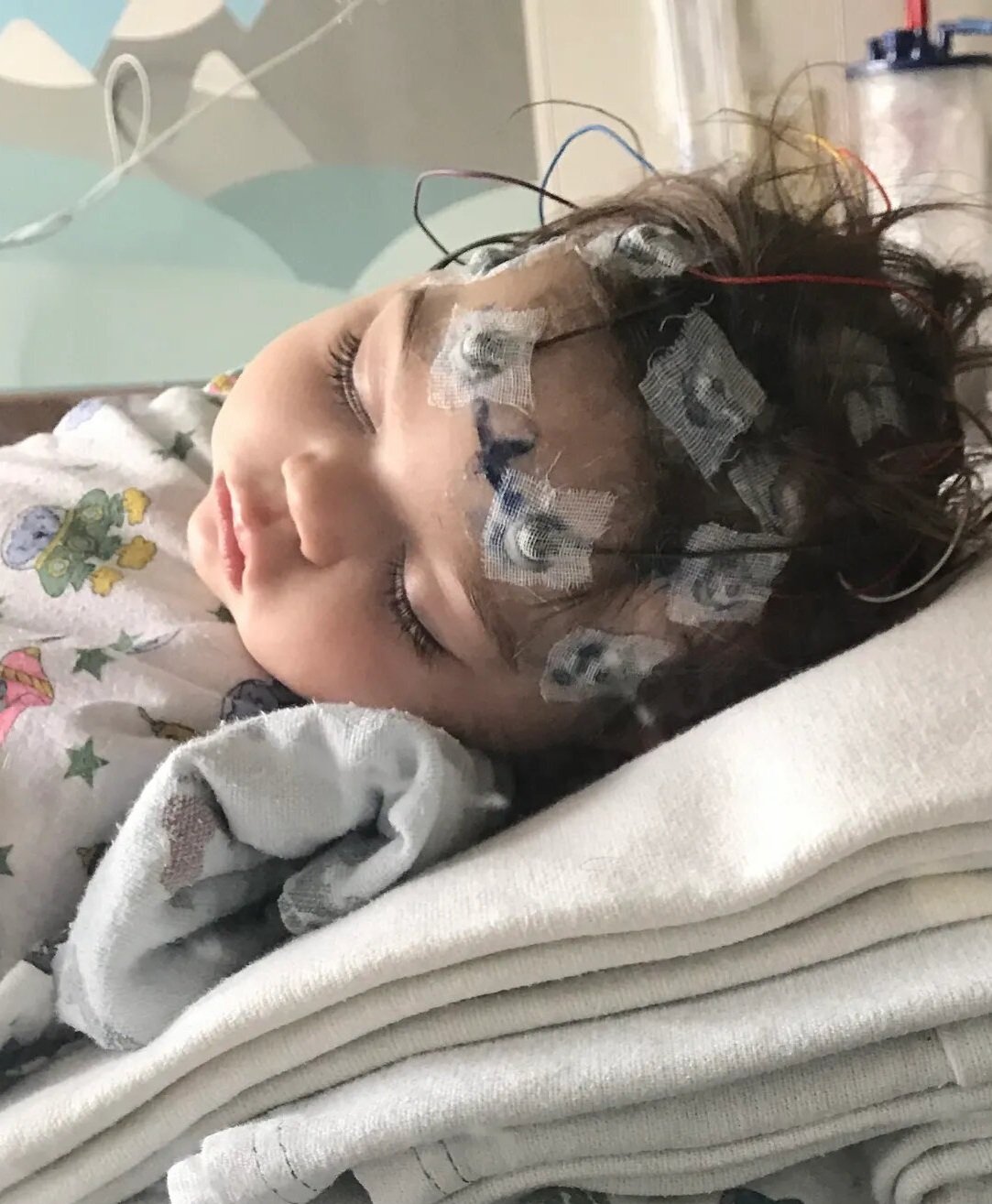
More about kcnt1 epilepsy
In many children, seizures begin in the first days or months of life. Parents may notice a subtle movement of a single hand or foot which may then spread to involve the other side of the body. There may be only a few seizures per day, but many children have 50 or more. Children with KCNT1-related encephalopathic epilepsy typically start missing their normal developmental milestones within months of the seizures beginning, and some never learn to walk or talk.
The other main form of KCNT1-related seizures leads to frontal lobe epilepsy with psychiatric symptoms referred to as Autosomal Dominant Nocturnal Frontal Lobe Epilepsy (ADNFLE) or Sleep-related Hypermotor Epilepsy (SHE). These children typically begin having seizures before adolescence, but later than children who have kcnt1-related epileptic encephalopathy.
The seizures usually happen during sleep and occur in clusters. They can go unrecognized and can be initially misinterpreted as night terrors. In these children the first sign of a problem can be missed milestones in infancy or early childhood. The diagnosis of KCNT1 related epilepsy is made by genetic testing. Additional testing may be performed as indicated.
Other less common health issues can result from KCNT1. Please contact us if you have a pathogenic or likely pathogenic variant and no symptoms, or if you have a Variant of Unknown Significance but you have symptoms. We may be able to put you in touch with a genetic counselor or clinician. info@kcnt1epilepsy.org
Your Voice Can Help
We want to hear from parents. By sharing your experiences, you help researchers and doctors learn more about KCNT1-related epilepsy—and how to treat it.
Parents, Join our Family Network to:
- Connect with other parents
- Join patient studies
- Share your story to help shape future treatments
If you’re a friend or family member, subscribe to our newsletter and follow us on Facebook.
Our Foundation helps fund key research and drug programs. With your help, we can move faster toward finding better treatments—and one day, a cure.

OUR GOAL

The KCNT1 Epilepsy Foundation aims to support basic science and
clinical research as well as drug discovery programs with a goal of finding a
cure as soon as possible. We want to ensure that parents have a voice and
can assist the research community in understanding how children with KCNT1-
related epilepsy progress over time, how it affects families, and what the family
priorities are in terms of treatment goals. Our fundraising efforts support
selective research and drug development programs in an effort to move us
rapidly toward disease-modifying treatments.