Clinical Trials Education
Your comprehensive guide to understanding clinical trials for KCNT1-related epilepsy

Why Clinical Trials Matter
If your child has a rare condition like KCNT1-related epilepsy, you may soon hear about clinical trials as a possible option. Clinical trials are how new treatments are tested to see if they are safe and if they actually help. Without families like yours to participate in the trials, no new medications could ever be approved.
By joining a trial, you are not only trying something new for your child—you are contributing to research that could change the future for others like them. It’s a deeply personal choice, and this guide is here to help you understand all aspects of that decision.
Hope for the Future
Your participation helps develop treatments that could benefit countless families facing similar challenges.
Personal Choice
Every family’s decision is unique and deeply personal. This guide helps you make an informed choice.
Scientific Progress
Clinical trials are the only pathway to bringing new, effective treatments to patients who need them most.
What Is a Clinical Trial (Really)?
Think of a clinical trial as a highly structured, closely monitored test of a new treatment.
Structured Protocol
Trials are not the same as regular medical care. They follow a very strict plan called a protocol.
Treatment Uncertainty
Your child may get the new treatment—or they might get a placebo (a treatment that looks like the real thing but has no active ingredient).
Unknown Side Effects
Side effects may happen, and we don’t always know what they’ll be. That’s why trials exist—to learn.
Your Rights
You always have the right to stop participating. Your decision to stay or leave is respected at all times.
Key Questions to Ask Before Saying Yes
- Study Purpose
What is this study trying to find out? - Treatment History
Has this treatment been tried in other people before? - Placebo Possibility
Could my child receive a placebo instead of the real treatment? - Future Access
If we’re on a placebo at first, will we get the actual treatment later? - Visit Schedule
How often will we have to visit the clinic or hospital?
- Required Tests
What kind of tests will my child need to go through? - Financial Support
Will the study help with travel, lodging, or caregiver expenses? - Duration
How long will the trial last? - Future Opportunities
Will this trial keep us from joining other studies later?
Understanding Trial Phases
Each phase asks different questions and builds on the one before it.
Phase 1
First time the drug is tested in humans. Focus is on safety.
Phase 2
Checks whether the drug seems to help and is still safe.
Phase 3
Involves more people to confirm if the treatment works well.
Phase 4
Happens after the treatment is approved, to continue tracking long-term results.
Understanding which phase a trial is in helps you know what to expect in terms of safety data, effectiveness evidence, and the number of other participants.
Who Can Join? (Eligibility Criteria)
Not everyone can join every trial. Each one has specific rules called inclusion and exclusion criteria. These might include:
- Your child’s age
- Type and number of seizures
- Genetic test results
- Current medications or medical history
These rules are there to keep your child safe and to make sure the results of the study are clear. Even if one trial isn’t a match, another might be.
Age Requirements
Trials often have specific age ranges to ensure safety and appropriate dosing for developmental stages.
Medical History
Your child’s seizure patterns, previous treatments, and overall health status are carefully evaluated.
Genetic Testing
Specific genetic variants may be required for targeted therapies, making genetic testing results crucial.
Know What You’re Committing To
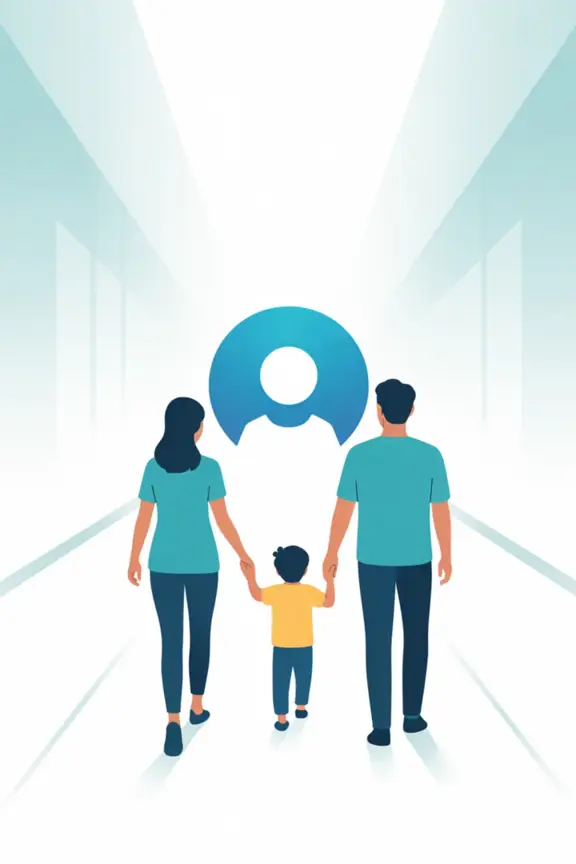
Being in a trial takes real effort from families. Before enrolling, make sure you understand:
Visit Frequency
How often you’ll need to go to the trial site (sometimes monthly or more)
Required Tests
What kind of tests your child will undergo (blood tests, EEGs, MRIs, possibly spinal taps)
Daily Tracking
What you’ll be asked to track (like daily seizure diaries)
Family Impact
What you’ll be asked to track (like daily seizure diaries)
Good News: Ask if the trial offers help with travel arrangements, lodging, or caregiver support—many do!
Understanding Placebos and Open-Label Extensions
Some trials include a placebo group. This means that not all participants get the actual treatment at first, so researchers can see if the treatment really works.
Often, especially in rare disease trials, participants can switch to the real treatment later in what’s called an open-label extension. Ask if the trial you’re considering includes this option.

Placebo Phase
Some participants receive placebo to establish baseline comparison data

Open-Label Extension
All participants can access the active treatment after the initial study period

Scientific Progress
Clinical trials are the only pathway to bringing new, effective treatments to patients who need them most.
What Happens After the Trial Ends?
This can vary. Sometimes:
Continued Treatment
You may be able to stay on the treatment if it seems to help (through an extension program).
Approval Process
The company may be working on approval and may need more time or studies.
Market Access
If the treatment is eventually approved, it may become available through prescription.
Important: Ask early what the plan is after the trial ends so you can prepare.
Your Role Is More Than Just a Participant
As a parent, you know your child best. Your observations, questions, and feedback are incredibly valuable to the research team. You are a partner in this process.
You’ll help collect data—like seizure logs, behavior changes, or improvements in communication—that help researchers understand whether a treatment is really making a difference.
Family Readiness Checklist
Medical Preparation
- Do you have a copy of their genetic testing?
- Are you tracking seizures (including type, duration, and triggers)?
- Is your child currently taking medications that might need adjusting? See our handout.
Family Logistics
- Can we travel for the trial visits? If not, what help do we need?
- Who can help with siblings, work responsibilities, or emergencies?
- Do we have emotional support (friends, family, counselors)? Watch a panel discussion about these topics here.
Emotional Readiness
- Have we talked as a family about the hopes and risks?
- Are we prepared for the possibility that the treatment might not help—or might even cause side effects?
- Do we understand that we can leave the trial at any time?
Tips for Talking to Your Doctor

“Do you think my child might qualify for any trials?”
“Should we adjust any medications to be eligible?”
“What kind of trial treatments might be coming soon?”
“What would we need to do to be ready?”
In Summary
Clinical trials are one of the most important ways to bring new hope to children with rare conditions—but they also require careful thought and preparation. This guide is designed to help you make an informed, confident decision that feels right for your family.
Structured Studies
Clinical trials are structured studies that test whether a potential treatment is safe and helps.
Your Choice
Families may say yes or no—and may withdraw at any time.
Key Questions
Ask about visit schedules, travel support, and whether an open-label extension is planned.
Important Distinction: Observational studies collect information (registries, natural-history, EEG/record review, biosamples). Clinical trials test a treatment or device and compare it with current options or placebo. Both are important in rare disease.